Houston Airports prepares to modernize plant that keeps IAH cool
Three smaller chillers will support airport cooling as Houston Airports replaces aging equipment and upgrades critical infrastructure in 2027 and 2028.
Nov 2, 2026
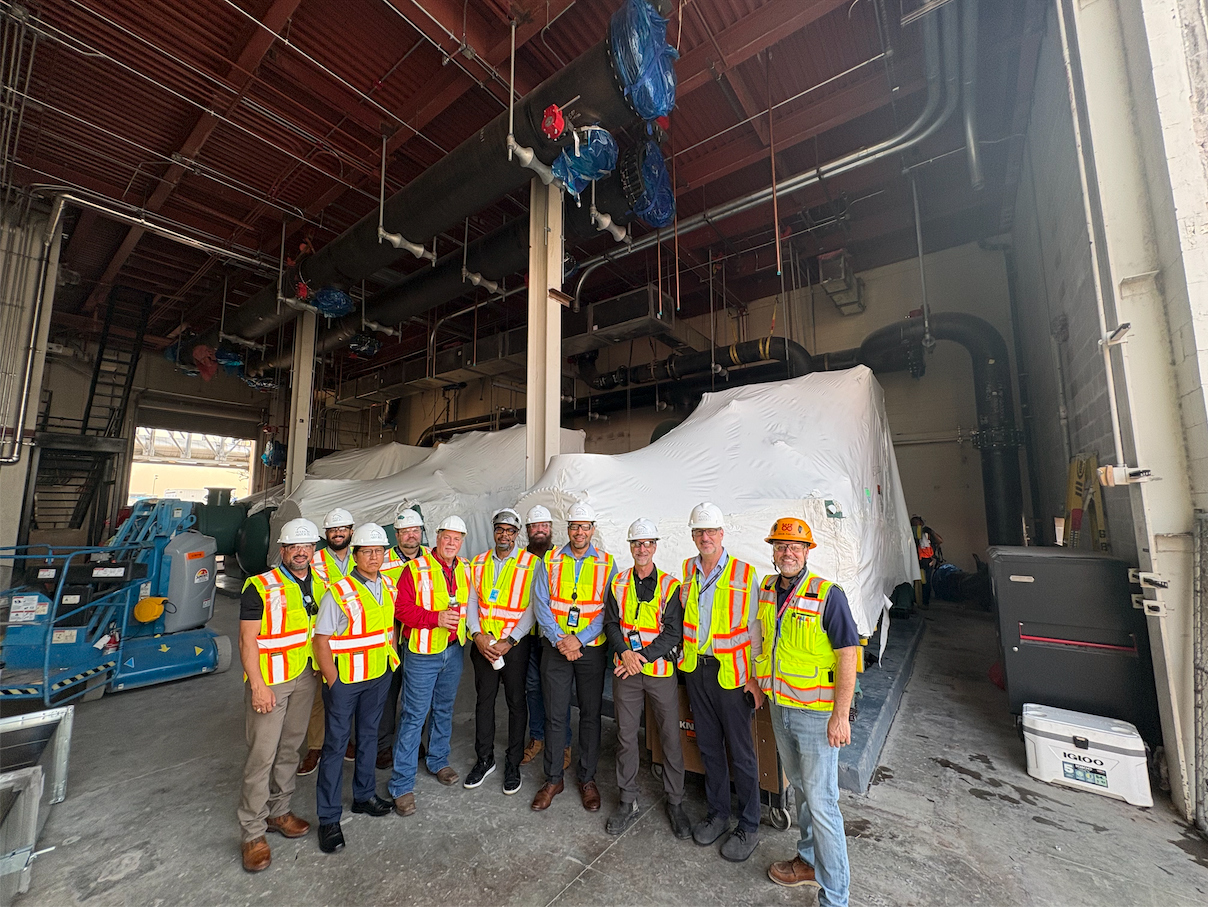
At George Bush Intercontinental Airport (IAH), a former boiler room is helping solve a problem passengers should never have to think about: how to replace the equipment that cools their terminal without turning off the air conditioning.
The former boiler room now houses three smaller chillers to support cooling while Houston Airports modernizes its Central Utilities Plant at IAH.
The plant supplies chilled water for air conditioning and hot water for heating in IAH’s core terminal area. Chillers cool the water, which travels through pipes to equipment that uses it to absorb heat from terminal air. What passengers feel is the result, not the machinery.

The system’s importance became clear in June 2023, when two chillers failed within 24 hours and temperatures rose inside the terminals. Temporary chillers helped restore cooling, but the failures added urgency to modernization plans already underway.
Starting in 2027, Houston Airports will replace four chillers and pumps, install a new roof and repair the plant’s utility tunnel. The work will continue through 2028. Hensel Phelps is the design-build contractor.
“This is not a project where we can turn everything off and start over,” said Scott Hill, chief infrastructure officer for Houston Airports. “We have to put support in place first, then replace equipment in a sequence that keeps the airport operating. Those preparations are just as important as the new equipment itself.”

Built in the 1960s and expanded over the decades, the plant has equipment at or nearing the end of its service life. The modernization is designed to increase cooling capacity, improve efficiency and provide decades of additional service from major equipment components.
Houston Airports Director of Aviation Jim Szczesniak, Chief Operating Officer Kelly Woodward and other senior leaders toured the facility in November to review preparations for the work ahead.
“Passengers should be thinking about where they are going, not whether the airport’s cooling system can keep up,” Hill said. “Investing in this critical asset is part of taking care of the people who use our airport today and making sure the infrastructure is ready to serve them for years to come.”